
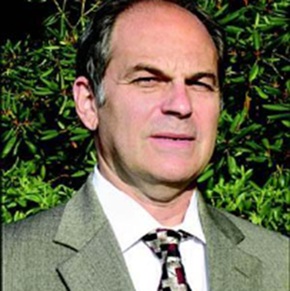
Mark Pitkin
Tufts University School of Medicine, Boston
Abstract Title: Floating skeleton theory and Sanomechanics® routs in Sumo squats
Biography:
Mark Pitkin graduated Summa Cum Laude from St. Petersburg University (Russia) in Mechanics. He obtained his PhD degree in the Central Institute for Prosthetic Research, Moscow, and his Doctor of Technical Sciences (D.Sc.) degree in LETI University, St. Petersburg. He is Professor of Physical Medicine and Rehabilitation at the Department of Orthopaedics and Rehabilitation Medicine, Tufts University School of Medicine, Boston, MA, USA.
Research Interest:
In 1993, Dr. Pitkin introduced “Floating Skeleton Concept,” hypothesizing that intra-articular pressures are transmitted through a thin fluid film between the periosteum and the surface of the skeleton [1], and the experimental animal study [2] confirmed that hypothesis. Tendons are attached to the bone partially via the periosteum, and muscle traction stretches the periosteum, “pumping” the fluid required for pressures transmission into the subperiosteal space, keeping skeleton “floating” inside the fluid film. Hydromechanics of pressure transmission within periosteal sheath suggests that when pressure sharing is disrupted, the pressure borne by a given cartilage spikes; this logically leads to negative consequences to cartilage integrity, including osteoarthritis [3]. The current discovery gives structure and meaning to exercising methodology called “Sanomechanics” that can better preserve and restore the hydrostatic connection between joint capsules [4]. Sumo squatting is three-dimensional using large number of muscles with entheses on periosteum covering pelvis [5]. Such squats create excellent physiological conditions for maintaining normal subperiosteal transmission of intra-joint pressures between lower limbs and upper body through the “pelvic hub.” This newly revealed effect is an addition to previously known outcomes of Sumo squats, but is achieved subconsciously. With floating skeleton concept in mind and Sanomechanics criterion of correctness of exercising, positive effect of Sumo squatting can be increased, and its elements can enrich Sanomechanics methodology. Key words: Cartilages physiology, transmission of in-joint pressures, Sumo squats additional benefits.